
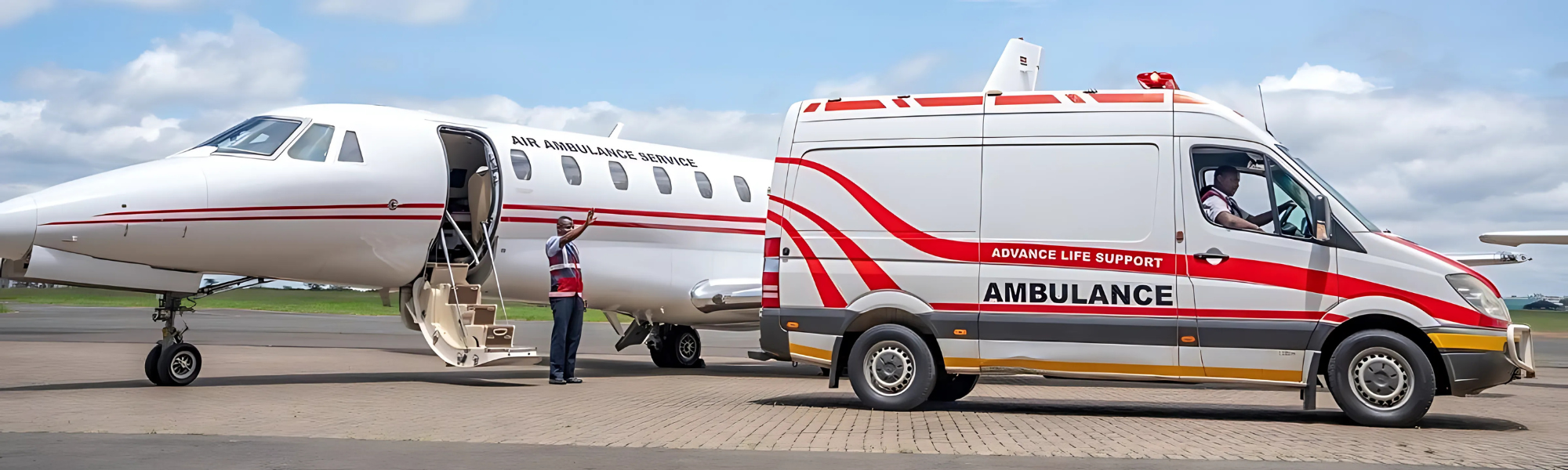
Air Ambulance Services: Bridging the Gap Between Life and Emergency
In times of medical emergencies, every second counts. Care Air ambulance services play a critical role in saving lives by providing rapid medical transportation when traditional ground ambulances are not sufficient. Whether it is an accident victim in a remote location, a critically ill patient requiring immediate transfer, or an organ transport mission, air ambulances ensure timely access to advanced medical care.
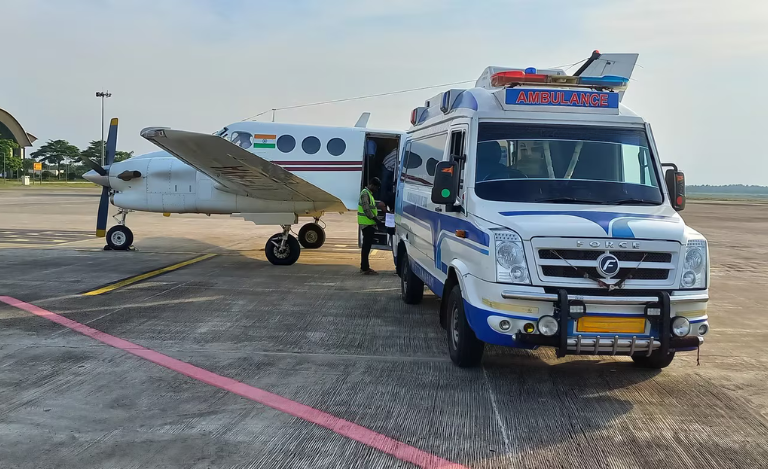
Care Ambulance - The Services of Air Ambulance Are Fast and Safe
Unlike regular ambulances, air ambulances are equipped with state-of-the-art medical equipment, including ventilators, defibrillators, oxygen supplies, and monitoring systems. They function as flying intensive care units (ICUs), staffed by trained doctors, paramedics, and nurses who specialize in critical care transfers. This enables patients to receive continuous treatment throughout the journey, minimizing risks during transportation.
One key benefit of air ambulance services is the swift response they provide in emergencies. In emergencies like cardiac arrests, severe trauma, or stroke cases, quick transfer can make the difference between life and death. Road traffic, geographical barriers, and long distances can delay medical assistance; however, helicopters and fixed-wing aircraft used in air ambulances can swiftly cover these distances, ensuring patients reach the hospital in the shortest time possible.
The Lifesaving Role of Air Ambulances in Medical Emergencies By Care Ambulance Services
Air ambulance services are not limited to emergencies alone. They are also used for planned patient transfers, neonatal care, and medical repatriation across countries. For families seeking to bring their loved ones home for treatment, care air ambulance services in Ranchi provide a safe and reliable solution. Additionally, they are indispensable during disaster relief operations, where ground access may be blocked due to floods, earthquakes, or other natural calamities.
While these services are life-saving, cost often remains a major concern. Air ambulance operations involve high expenses related to fuel, aircraft maintenance, medical staff, and equipment. However, with the growing demand and awareness, many service providers are offering flexible options and collaborating with insurance companies to make these services more accessible.
In today’s dynamic world, where medical emergencies can occur without warning, air ambulance services have become a lifeline of hope. They embody the principle of “time saved is life saved,” bridging the gap between patients in need and the advanced healthcare facilities that can treat them. As technology continues to evolve, the scope of air ambulance services will only expand, ensuring that distance and delay never become barriers to saving lives.
Frequently Asked Questions (FAQs) About Air Ambulance Services
Q1. What is an air ambulance?
An air ambulance is a specially equipped aircraft, such as a helicopter or fixed-wing plane, designed to transport critically ill or injured patients quickly while providing advanced medical care during the journey.
Q2. When should someone use an air ambulance?
Air ambulances are used in emergencies where road transport is too slow or difficult, such as heart attacks, strokes, accidents in remote areas, organ transfers, or when patients need to be moved quickly between hospitals.
Q3. Who travels with the patient in an air ambulance?
A professional medical team, usually including doctors, paramedics, and nurses trained in critical care, accompany the patient to ensure continuous monitoring and treatment.
Q4. How much does an air ambulance cost?
The cost varies depending on distance, type of aircraft, medical equipment required, and the level of care needed. Some insurance policies may cover part of the expenses.
Q5. Are air ambulances available across India?
Yes, many service providers operate nationwide and even internationally, ensuring that patients can be transported from remote locations to advanced hospitals anywhere in the country or abroad.
Q6. What medical facilities are available inside an air ambulance?
Air ambulances are equipped with ICU-level facilities such as ventilators, oxygen cylinders, cardiac monitors, defibrillators, and emergency medications to provide full in-transit care.